


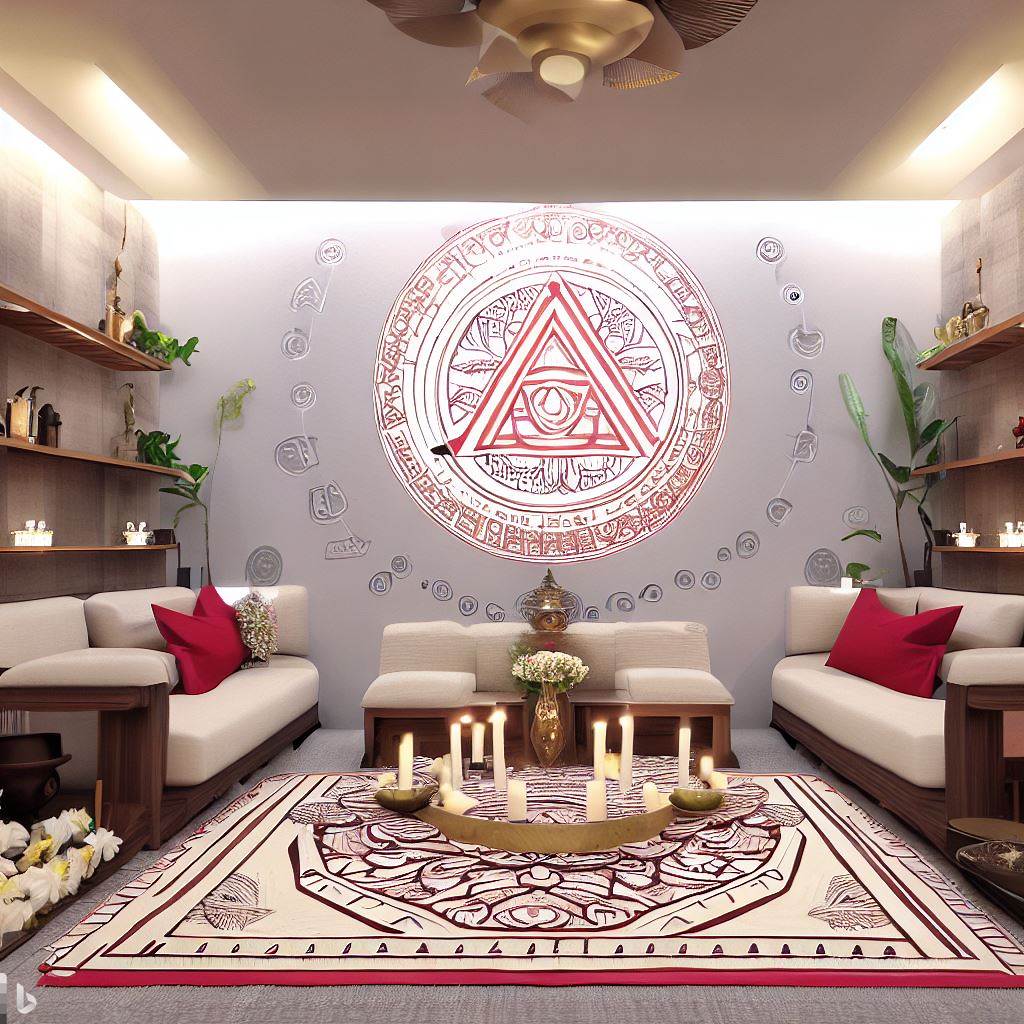
Namaste and welcome to our blog. Today we are going to learn about the Vaastu Shastra, an ancient Indian science of architecture and design that helps create harmony and balance in homes and workplaces.


Vaastu Shastra is based on the idea that the design and layout of a building can have a profound effect on the energy and well-being of the people who live or work there. The principles of Vaastu Shastra take into account factors such as the direction the building faces, the placement of doors and windows, and the location of rooms.

Let’s start with the first principle of Vastu Shastra, which is the direction a building faces. According to Vastu Shastra, the ideal direction for a house to face is east or north, as these directions are believed to bring positive energy and prosperity. On the other hand, a house facing south or west is considered less auspicious.
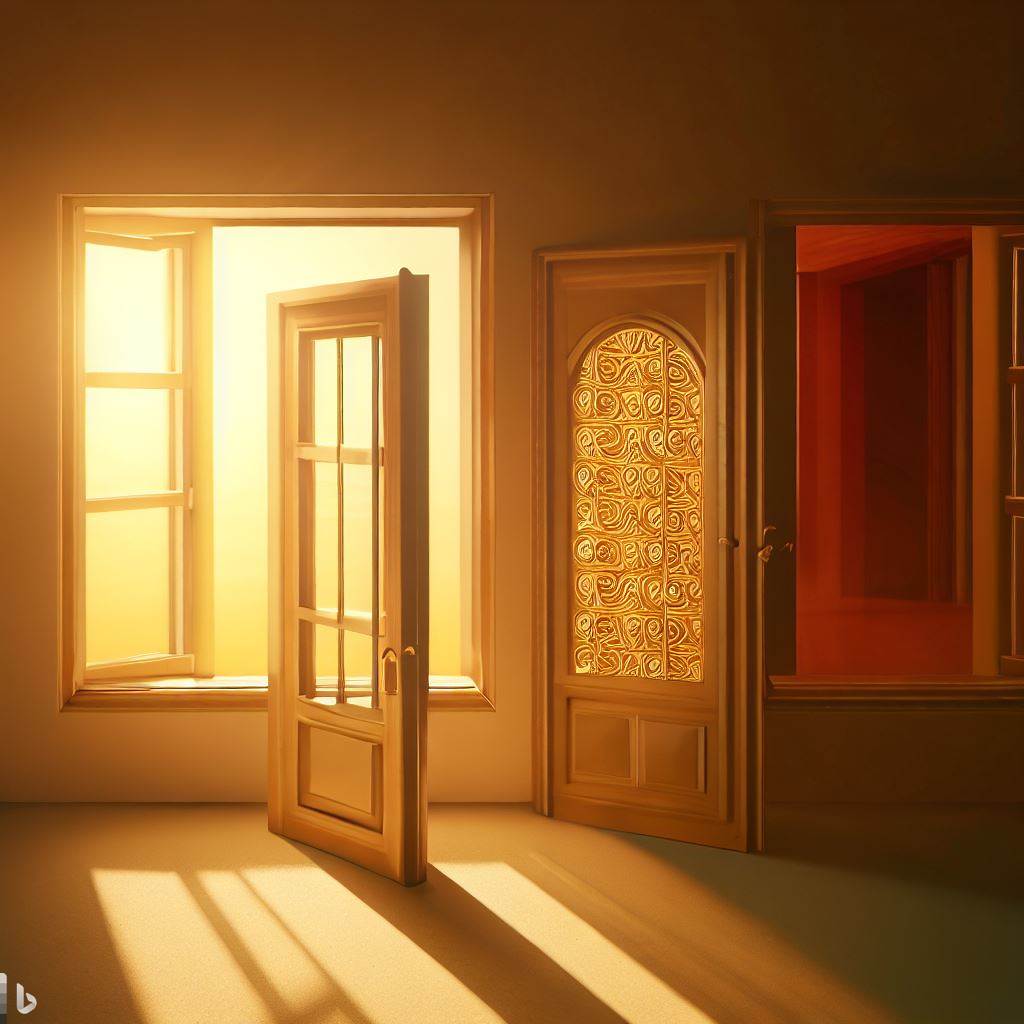
The second principle of Vastu Shastra is the placement of doors and windows. It is believed that the entrance of a house should be in the east, north, or northeast direction, as this brings good luck and positive energy. Windows should be placed in such a way that they allow plenty of natural light and air to enter the building.
The third principle of Vastu Shastra is the location of rooms. Each room in a house should be located in a specific direction according to its function. For example, the kitchen should be in the southeast direction, as this is believed to bring prosperity and health. The bedroom should be in the southwest direction, as this brings stability and promotes a peaceful sleep.
Finally, Vastu Shastra also takes into account the placement of objects within a building. For example, it is believed that placing a mirror opposite the main entrance of a house can reflect positive energy back into the building.
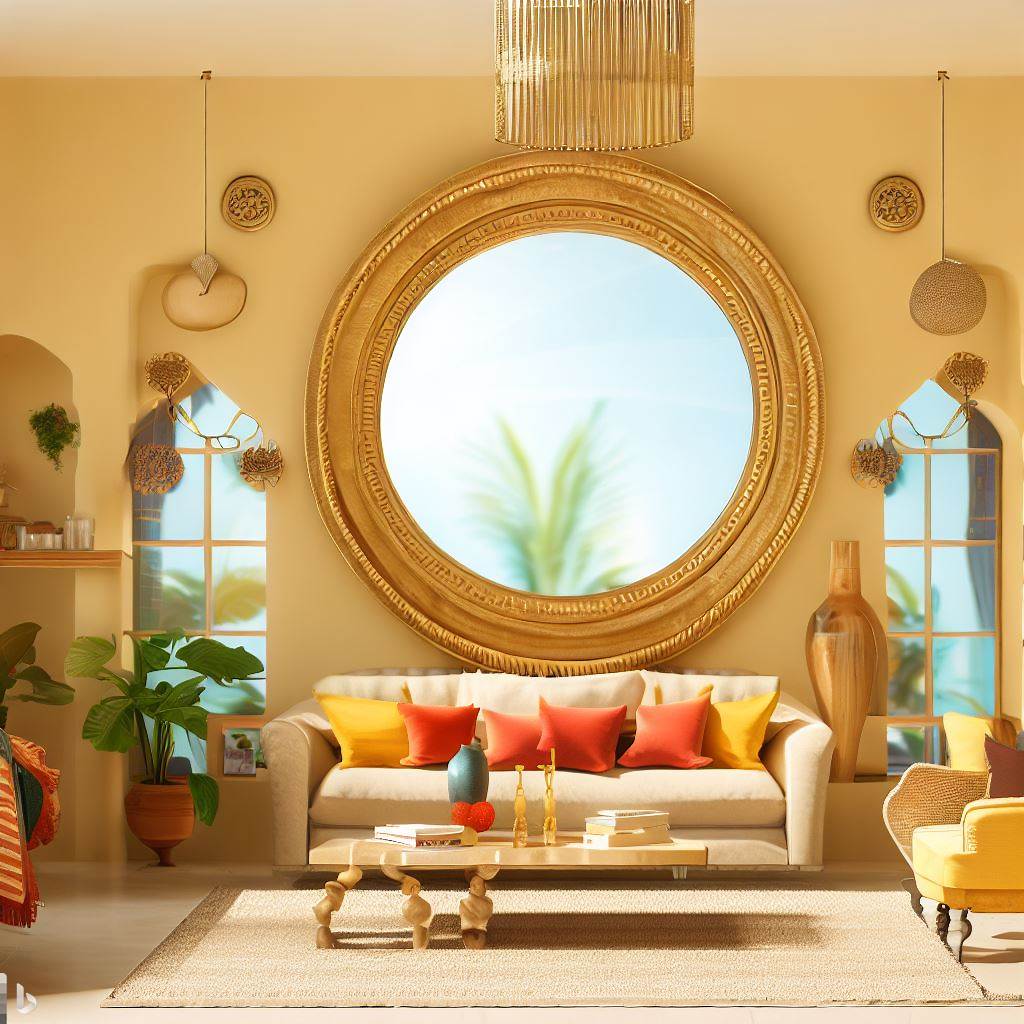
So that’s a brief overview of Vastu Shastra, an ancient science that is still relevant today. By following the principles of Vastu Shastra, we can create a harmonious and balanced environment in our homes and workplaces. If you have any questions or comments, please leave them in the comments section below.