
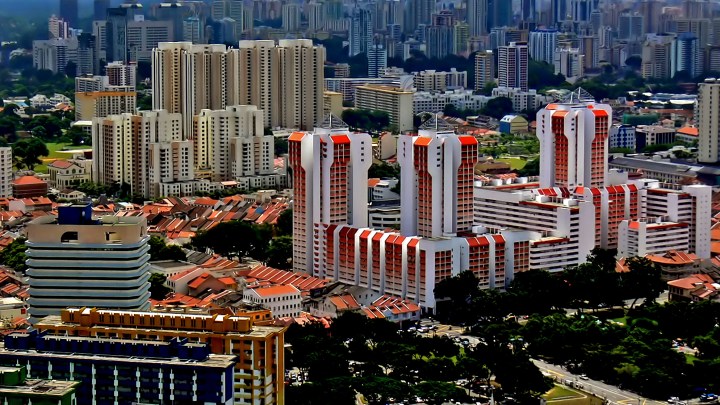

Singapore is a small city-state, but it is well-known for its innovative concepts that make it stand out among other countries. From futuristic architecture to sustainable energy, Singapore has set an example for the world to follow. In this article, I will be discussing some of the most innovative concepts that make Singapore unique.
History of City Planning
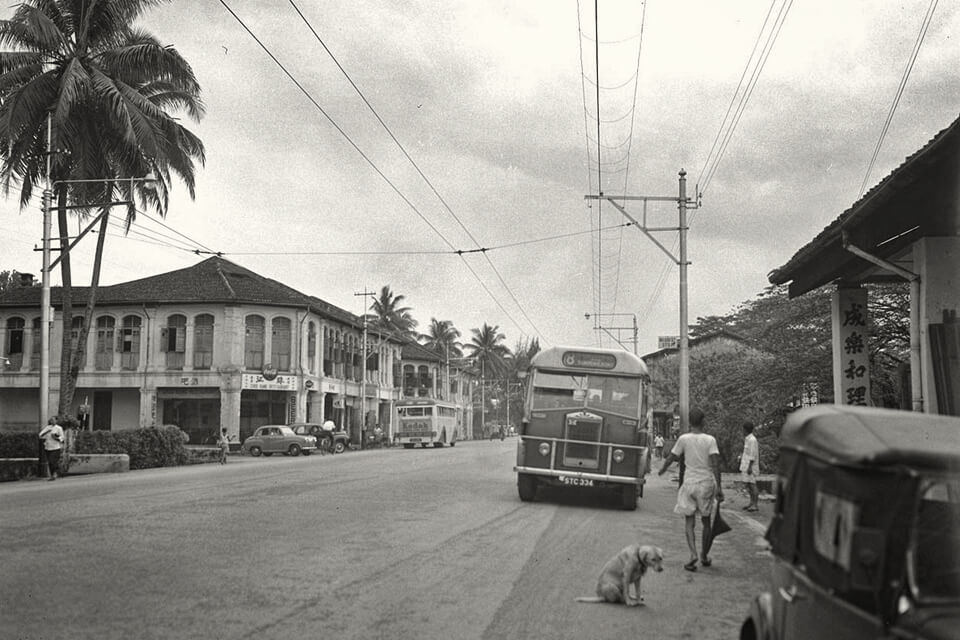
Singapore’s history of city planning dates back to the 19th century when Sir Stamford Raffles established the city as a trading port in 1819. Singapore’s strategic location made it an ideal hub for trade, and the city quickly grew in size and population. However, with growth came challenges such as overcrowding, poor sanitation, and inadequate housing.
To address these challenges, Singapore’s government began implementing various urban planning strategies. In the 1960s, the government launched the Housing and Development Board (HDB) to build affordable public housing for the growing population. This marked the beginning of the city-state’s public housing program, which has since become a cornerstone of Singapore’s urban planning.
Now lets discuss the innovative concepts that make Singapore so unique.
Solar Energy

“solar-panels-1794467_1280” by CANEurope is marked with CC0 1.0.
Singapore is a tropical country, and it receives a significant amount of sunlight throughout the year. This has led the country to explore the potential of solar energy as a renewable source of energy. The government has implemented various initiatives to promote the use of solar energy, such as the installation of solar panels on the rooftops of public housing blocks and the implementation of a solar leasing programme for commercial and industrial buildings.
Singapore has also built one of the largest floating solar farms in the world, located on the Tengeh Reservoir. The solar farm consists of more than 122,000 solar panels and has a capacity of 60 megawatts. This innovative project not only produces renewable energy but also helps to reduce evaporation from the reservoir.
The use of solar energy in Singapore is a step towards a sustainable future. It not only reduces the country’s carbon footprint but also creates job opportunities in the renewable energy sector.
Green Zone
The government has implemented various initiatives to promote greenery in the city, such as the creation of a Green Zone.
The Green Zone is a 100-kilometer stretch of greenery that runs through the city. It connects various parks and nature reserves and serves as a wildlife corridor. The Green Zone not only provides a habitat for wildlife but also serves as a recreational space for residents.
The Green Zone is an example of how urban planning can be used to create a sustainable and livable city. It showcases how greenery can be integrated into the built environment.
Gardens by the Bay
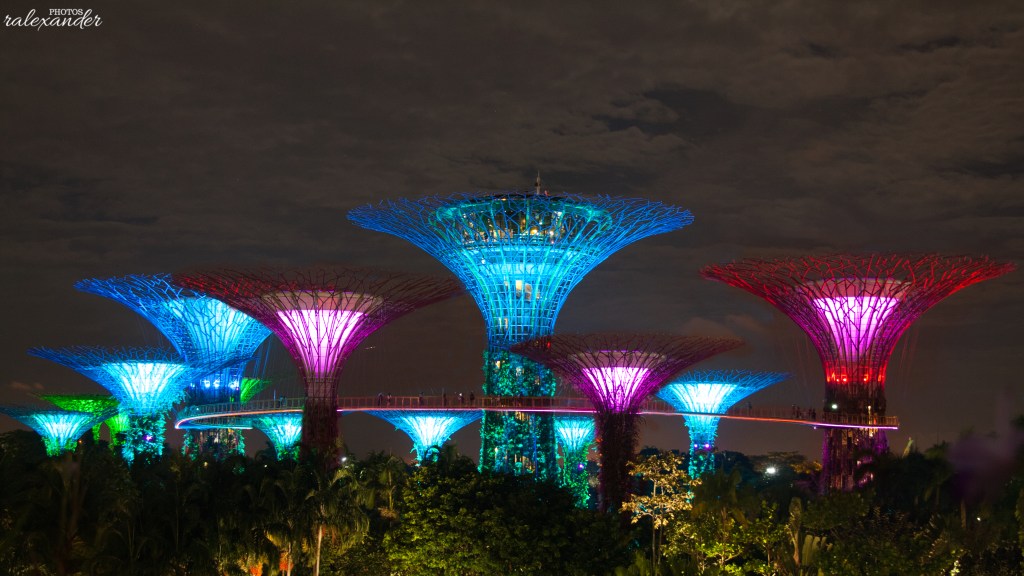
Gardens by the Bay is a unique concept that showcases Singapore’s dedication to sustainability and innovation. It is a nature park that spans 101 hectares and features various gardens and attractions.
“Marina Bay Sands, Singapore” is marked with CC0 1.0.
One of the main attractions is the Supertree Grove, which features 18 supertrees that range from 25 to 50 meters tall. These supertrees are fitted with photovoltaic cells that harness solar energy, making them a symbol of Singapore’s commitment to renewable energy.
Another unique feature of Gardens by the Bay is the Flower Dome, which is the largest glass greenhouse in the world. It features various plants and flowers from around the world, including rare and endangered species. The Flower Dome also uses a sustainable cooling system that regulates the temperature and humidity of the greenhouse.
Moreover, Gardens by the Bay is also home to the Cloud Forest, which is a unique indoor waterfall that showcases the biodiversity of tropical rainforests. It features various plants and flowers, including the world’s tallest indoor waterfall. The Cloud Forest also uses a sustainable cooling system that reduces the energy consumption of the attraction.
Marina Reservoir Canal Programme
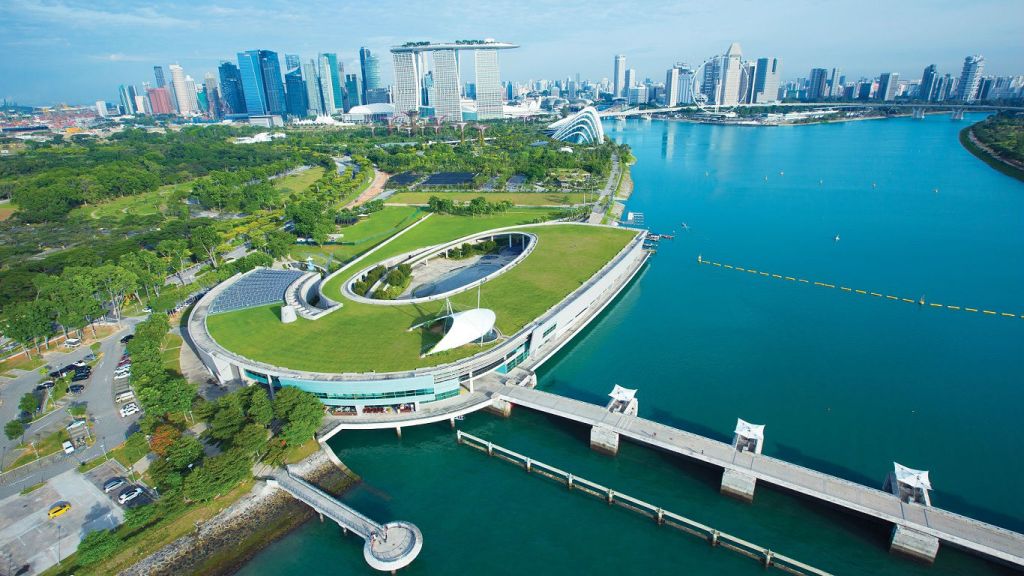
Singapore is a water-scarce country, and the government has implemented various measures to ensure a sustainable water supply. One of the most innovative solutions to the water issue is the Marina Reservoir Canal Programme.
The Marina Reservoir Canal Programme is a system of canals that connects the Marina Reservoir to other water bodies in the city. The canals help to collect rainwater and channel it into the reservoir, increasing the city’s water supply.
The Marina Reservoir Canal Programme is an example of how innovation can be used to address practical problems. It showcases how technology can be used to create a sustainable water supply.
Futuristic Infrastructure
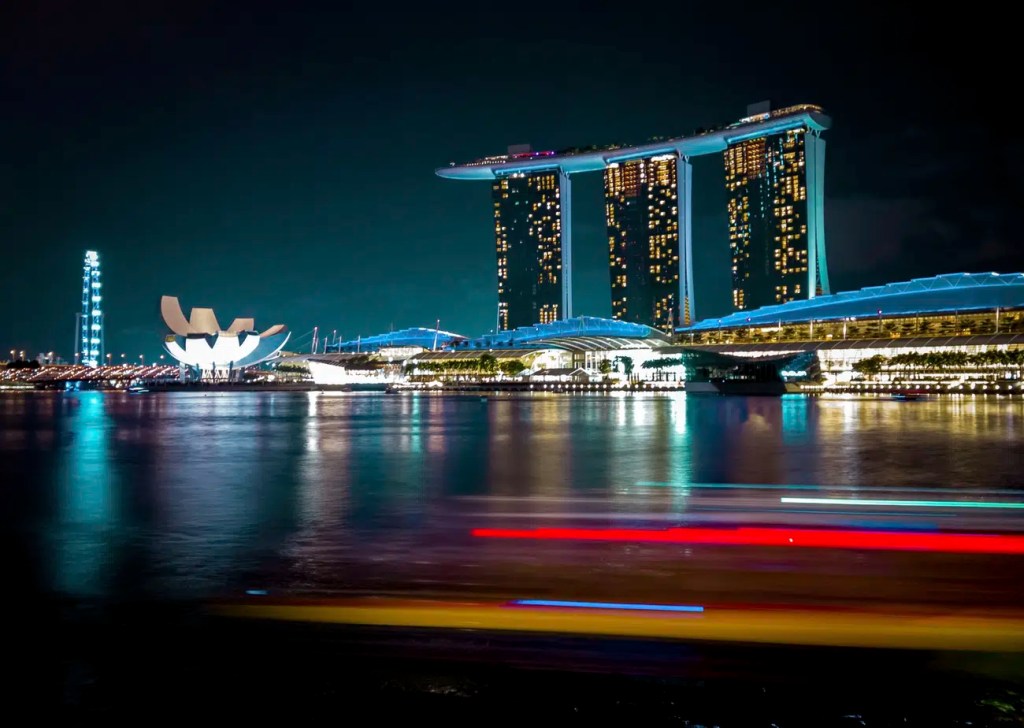
“Marina Bay Sands, Singapore” is marked with CC0 1.0.
Singapore is known for its futuristic architecture, and one of the most iconic buildings in the city is the Marina Bay Sands. The building consists of three towers that are connected by a sky park which provides a panoramic view of the city and serves as a recreational space for visitors.
The Marina Bay Sands is an example of how innovation can be used to create visually striking structures that serve a practical purpose. It not only provides accommodation but also serves as a tourist attraction.
Integrated Transport System

“MacPherson mrt station” by GeorgeTan#4 – Thanks for your support is marked with CC0 1.0.
Singapore has one of the most efficient transport systems in the world. The government has implemented various measures to promote public transport and reduce congestion on the roads.
The metro rapid transit network is one of the most innovative transport systems in Singapore. It consists of five lines that connect various parts of the city. Public transport in Singapore is an example of how to create a sustainable and efficient city. It not only reduces congestion on the roads but also reduces the city’s carbon footprint.
Cycling Route

“Cycle routes in Southend” by SouthendCC is marked with CC0 1.0.
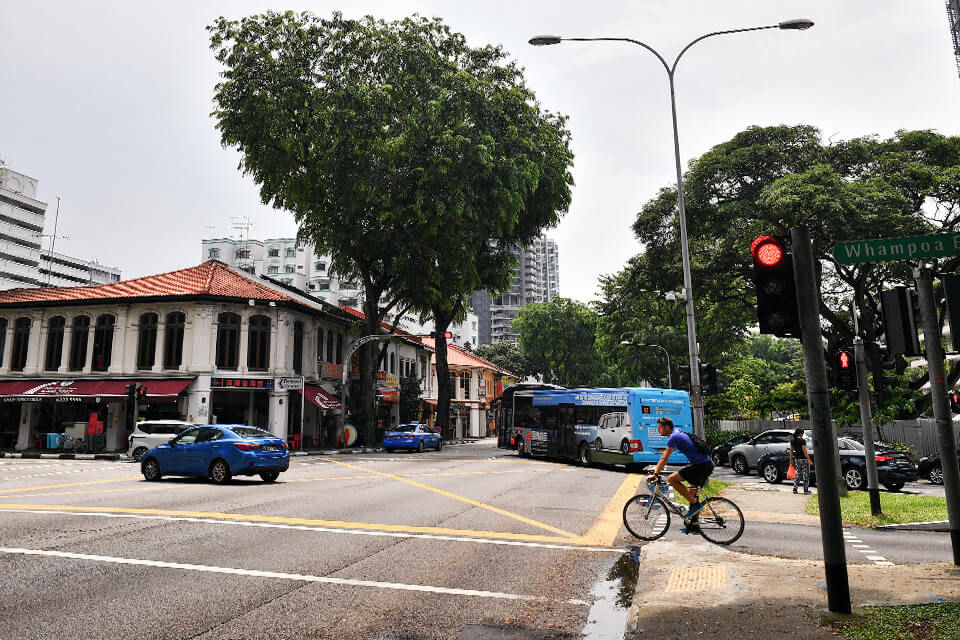
Singapore is a cycling-friendly city, and the government has implemented various initiatives to promote cycling as a mode of transport. One of the most innovative initiatives is the creation dedicated lanes for cycle.
They provide a safe and efficient way for cyclists to travel around the city. The government has also implemented a bike-sharing system, making it easy for residents and tourists to rent a bike.
Cycling in Singapore is an example of how to create a sustainable and healthy city. It not only reduces the city’s carbon footprint but also promotes a healthy lifestyle.
Conclusion
Singapore is a city-state that has set an example for the world to follow. From sustainable energy to futuristic architecture, Singapore has implemented various innovative concepts that make it unique. The government’s commitment to sustainability and innovation has created a livable and sustainable city that provides opportunities for its residents and attracts tourists from around the world.