

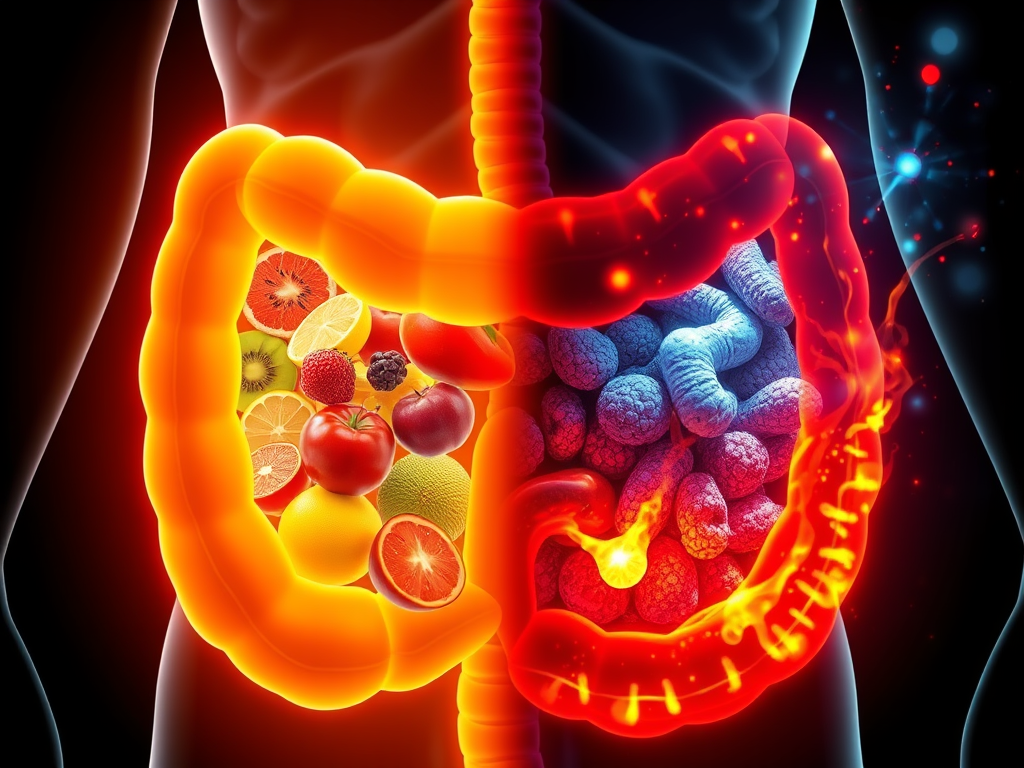
Do you often feel bloated, tired, or uncomfortable after eating—even when your diet seems “normal”?
Do you have problems with your skin, brain fog, or unexplained fatigue?
You might be surprised to learn that these problems often start in the gut.
Your gut does much more than digest food. It plays a critical role in your immune system, energy levels, mood, skin health, and overall well-being. When your gut is unhealthy, your entire body feels the effects.
You’ll learn about 10 common indicators of poor gut health, including some that most people ignore, and what you can do to start naturally healing your gut in this article.
1. Constant Bloating
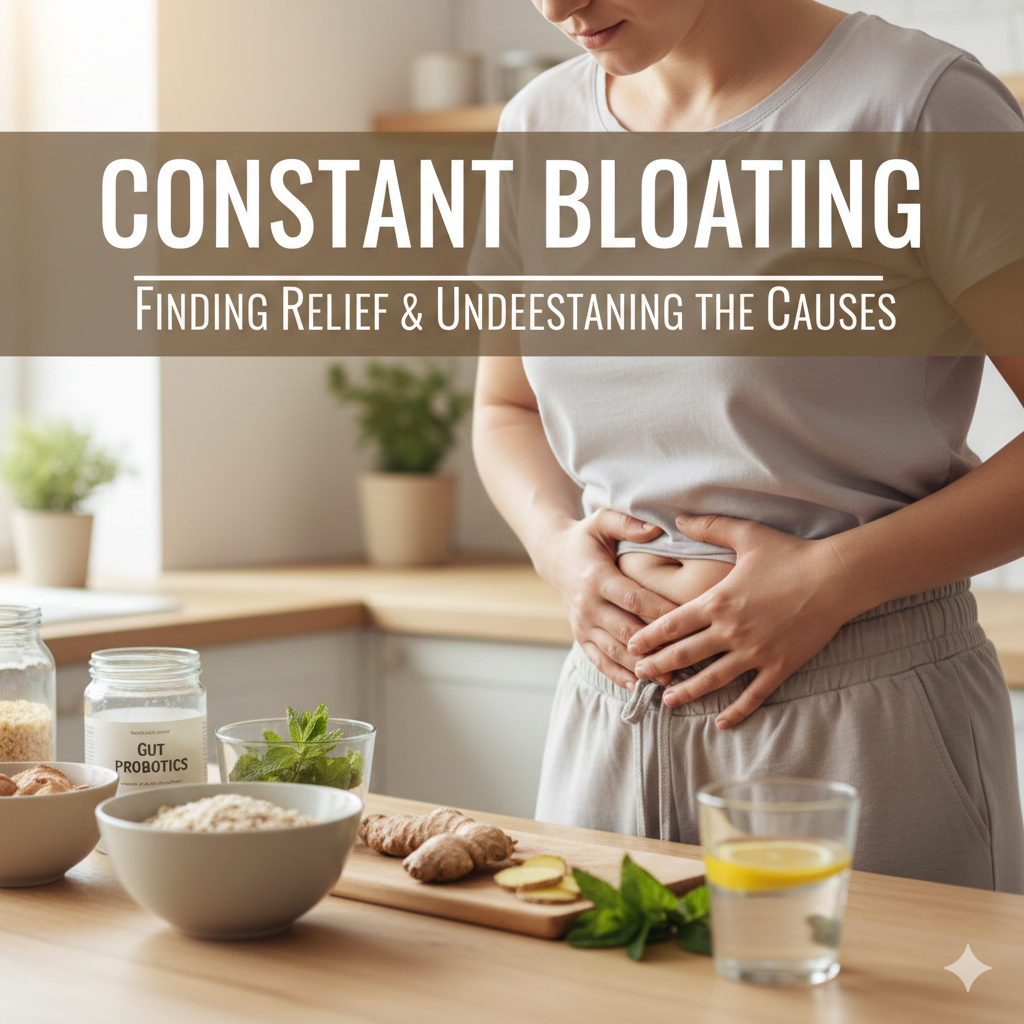
Bloating on occasion is normal, but bloating on a daily or frequent basis is not.
If your stomach feels swollen after most meals, it may be a sign of:
- Inability to digest
- Food intolerances
- Bacterial imbalance in the gut
The inability of an unhealthy gut to properly break down food results in excessive gas and discomfort.
What helps:
Eating slowly, reducing ultra-processed foods, and identifying trigger foods like dairy or refined sugar.
2. Digestive Issues (Constipation or Diarrhea)
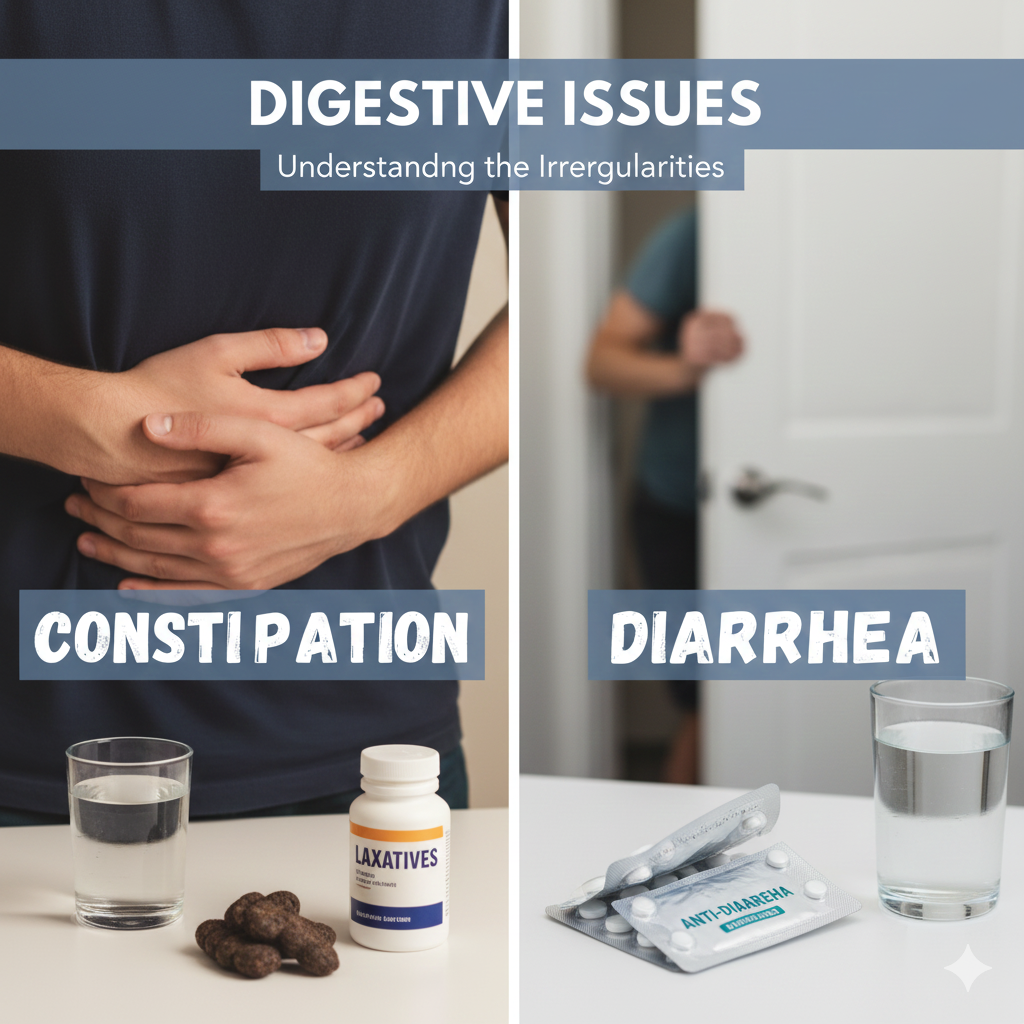
Your bowel movements say a lot about your gut health.
Trouble signals include:
- Constipation
- Diarrhea
- Alternating between the two
- Irregular bowel habits
These symptoms often point to inflammation, gut bacteria imbalance, or food sensitivities.
Healthy digestion = regular, comfortable bowel movements.
3.Frequent Food Cravings (Especially Sugar)
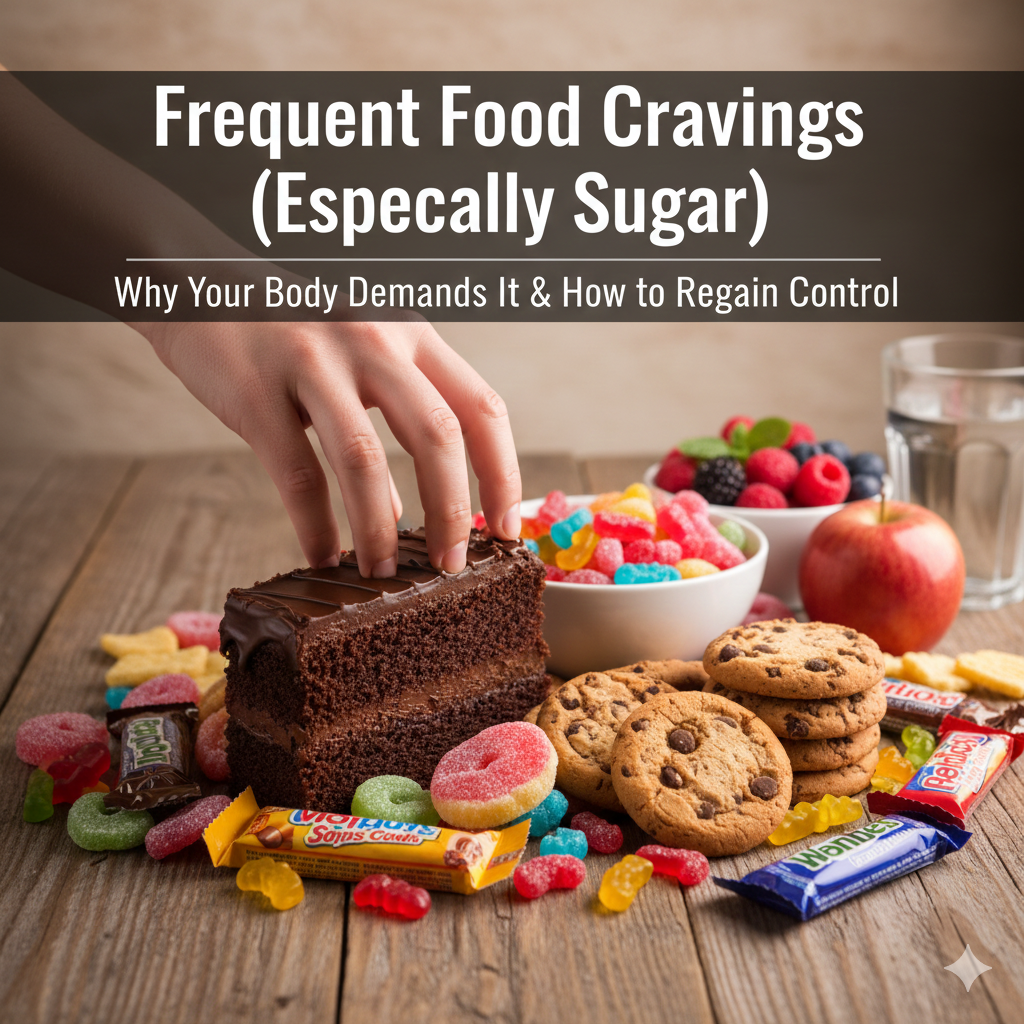
Do you constantly crave sugar or refined carbs?
Unhealthy gut bacteria feed on sugar. When harmful bacteria dominate your gut, they can send signals to your brain that increase cravings.
This creates a cycle:
- Eat sugar
- Feed the bad bacteria
- Increase cravings
Breaking this cycle is key to gut healing.
4. Unexplained Fatigue (Most People Ignore This)

Even if you get enough sleep, you still feel drained.
An unhealthy gut can:
- Reduce nutrient absorption
- Aggravate the inflammation
- Disrupt the production of energy
Poor gut health frequently contributes to chronic fatigue and low motivation due to the fact that the gut produces about 90% of serotonin, a key hormone for mood and energy.
5. Skin Problems (Acne, Eczema, Rashes)

Your skin reflects what’s happening inside your body.
Gut inflammation can trigger skin issues such as:
- Acne
- Rosacea
- Eczema
Rashes with no explanation When the gut barrier becomes weak, toxins may enter the bloodstream, leading to inflammation that shows up on the skin.
6. Frequent Illness or Weak Immunity

If you’re constantly catching colds or getting sick easily, your gut may be compromised.
Your gut is home to around 70% of your immune system. An unhealthy gut makes it harder for your body to fight infections.
One of the best natural ways to boost immunity is to help your gut health.
7. Brain Fog and Poor Concentration

Do you experience mental “cloudiness” or difficulty concentrating?
The gut and brain are closely connected through the gut-brain axis. When gut bacteria are imbalanced, communication between your gut and brain suffers.
This may result in:
- Brain fog
- Memory deficits
- Difficulty concentrating
8. Mood Swings, Anxiety, or Low Mood
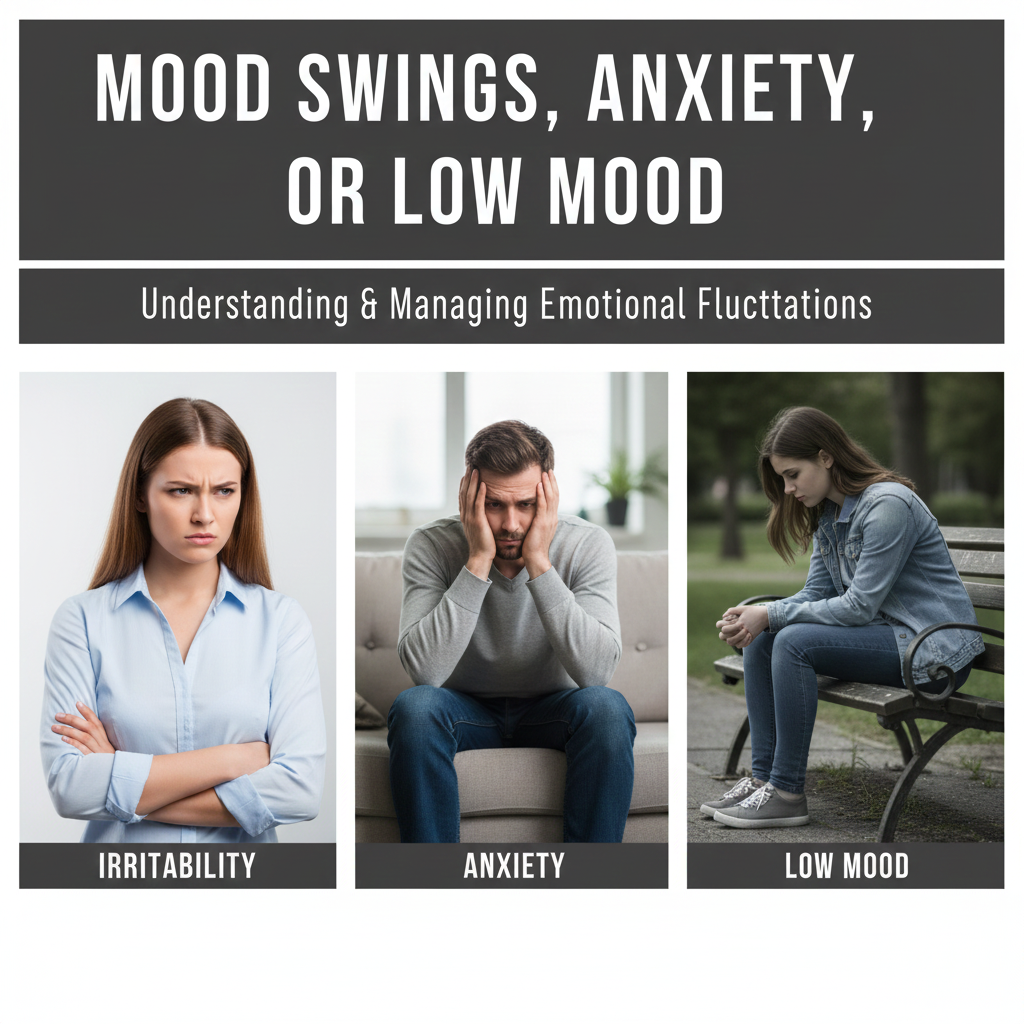
Gut health directly affects mental health.
An unhealthy gut may contribute to:
- Anxiety
- Irritability
- Low mood
Heightened response to stress Inflammation and poor gut bacteria balance can interfere with neurotransmitters like serotonin and dopamine, which regulate mood.
9. Bad Breath That Doesn’t Go Away

Not all persistent bad breath is caused by a dental problem.
Even if you brush your teeth a lot, digestive issues, acid reflux, and a bacterial imbalance in the gut can all contribute to persistent bad breath.
This is often overlooked as a gut health sign.
10. Food Sensitivities You Didn’t Have Before

Your gut lining may have been damaged if foods you used to like now make you feel bad.
Undigested food particles can enter the bloodstream through a weakened gut barrier, also known as “leaky gut,” which causes immune responses.
This can lead to:
- Bloating
- Headaches
- Digestive pain after meals
✅ What Causes Poor Gut Health?
Several modern lifestyle factors damage gut health over time:
- Foods with a lot of processing
- Excess sugar and alcohol
- Persistent stress
- Antibiotic overuse
- Lack of sleep
- Lack of fiber in the diet
✅ The bright side? The right habits can help your gut heal.
How to Improve Gut Health Naturally
Start today with these easy and effective steps:
✅ Eat More Whole Foods
Keep in mind:
- Vegetables
- Fruits
- Whole grains
- Legumes
✅ These provide fiber that feeds healthy gut bacteria.
Cut out sugar and processed foods.
Foods that have been processed alter the balance of gut bacteria and raise inflammation.
✅ Manage Stress
Chronic stress negatively affects digestion.
Try:
- Walking
- Deep breathing
- Daily short breaks
✅ Support Good Bacteria
Include foods that ferment, such as:
- Yogurt
- Kefir
- Sauerkraut
- Kimchi
✅ Prioritize Sleep
The gut barrier is weakened by lack of sleep, which makes digestion difficult.
Aim for 7–9 hours of quality sleep per night.
Final Thoughts
More than just digestion, your gut affects your energy, mood, immunity, skin, and overall health.
If you recognized several of these signs, don’t panic. Gut health can improve with consistent, simple changes.
Start small. Be patient. Your body is designed to heal.