

Have you always been fascinated by the vastness of our universe and the wonders it holds? Among the many mysteries that continue to intrigue us, the Solar System is perhaps the most captivating. In this article, I will take you on a journey through some of the most interesting facts about our Solar System that you probably didn’t know before.
Why is it Called the Solar System?
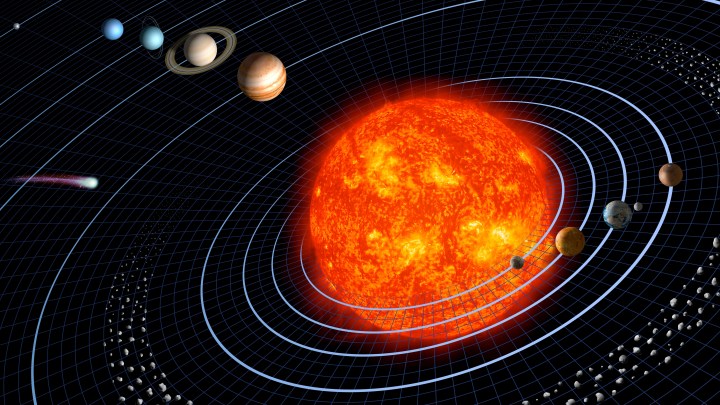
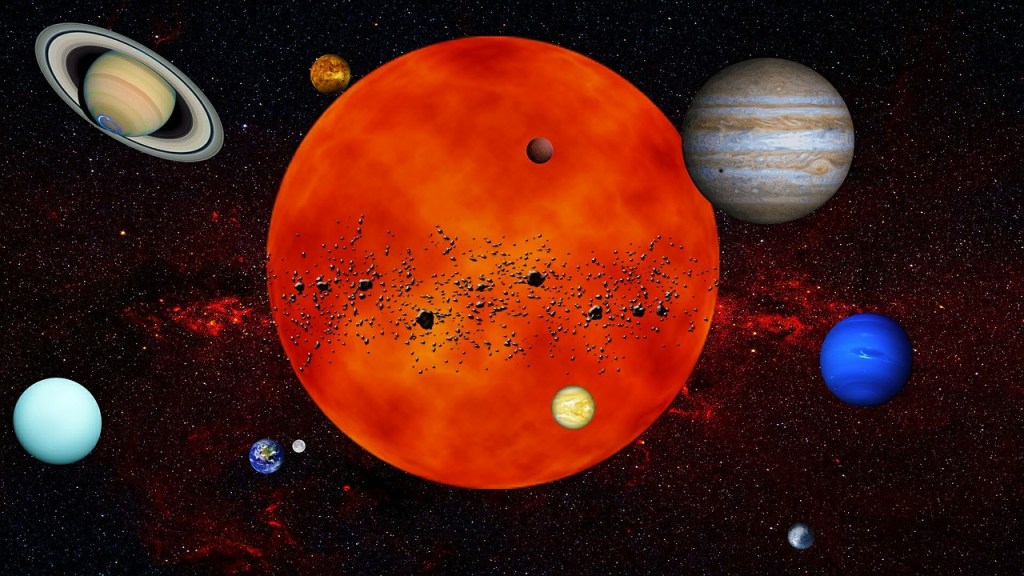
The Solar System is named after the Sun, which is the central star of our system. It was given this name because the Sun is the most massive object in our system and has the greatest gravitational pull on all the planets, dwarf planets, and other celestial bodies that orbit around it. The Solar System is a collection of planets, moons, asteroids, comets, and other objects that revolve around the Sun.
The Solar System has eight planets, four terrestrial planets, and four gas giants. The terrestrial planets are Mercury, Venus, Earth, and Mars, while the gas giants are Jupiter, Saturn, Uranus, and Neptune. Pluto, which was once considered a planet, is now classified as a dwarf planet.
10 Need-to-Know Things About the Solar System

The Sun is not the largest star in the universe, but it is the largest object in the Solar System. It accounts for 99.86% of the total mass of the Solar System.
The Solar System is over 4.6 billion years old. It was formed from a giant cloud of gas and dust known as the solar nebula.
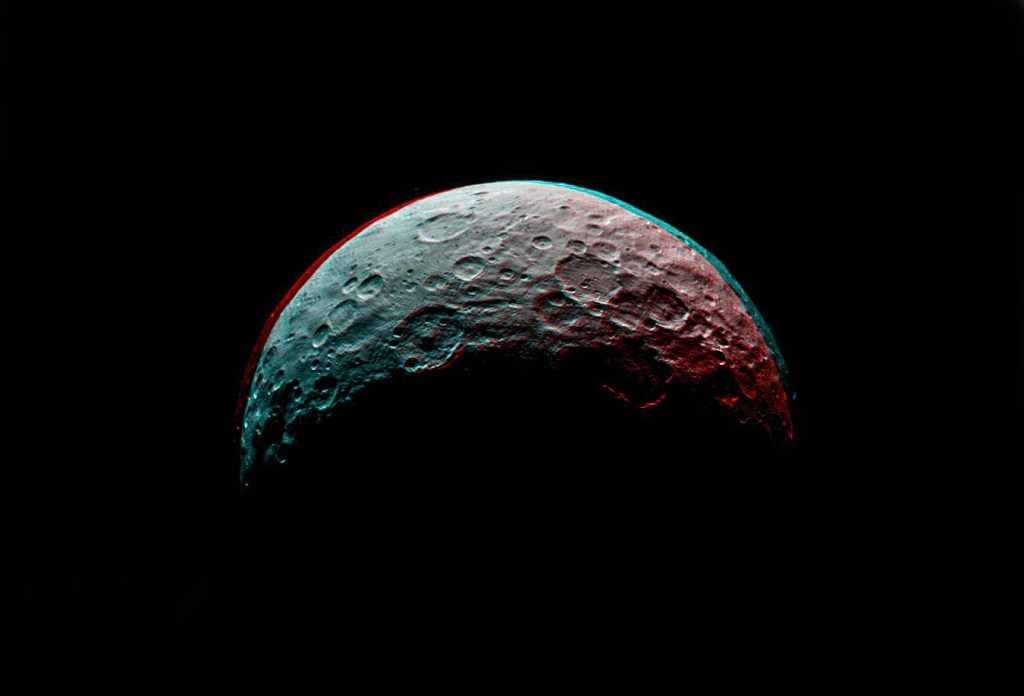
The asteroid belt is a region in the Solar System between Mars and Jupiter that contains millions of asteroids. The largest asteroid in the belt is Ceres.
The Kuiper Belt is a region beyond Neptune that contains many small icy bodies, including dwarf planets such as Pluto, Haumea, Makemake, and Eris.
Jupiter is the largest planet in the Solar System. It is so massive that it has more than twice the total mass of all the other planets combined.
Saturn is known for its rings, which are made up of billions of ice particles ranging in size from tiny dust grains to boulders several meters in diameter.

Uranus and Neptune are known as ice giants because they are mainly composed of ice, such as water, methane, and ammonia, in addition to rock and metal.
The Solar System is constantly moving through space. It orbits around the center of the Milky Way galaxy, taking about 225-250 million years to complete one orbit.
The Oort Cloud is a hypothetical cloud of icy objects that is believed to surround the Solar System at a distance of up to 100,000 astronomical units (AU). It is thought to be the source of long-period comets.
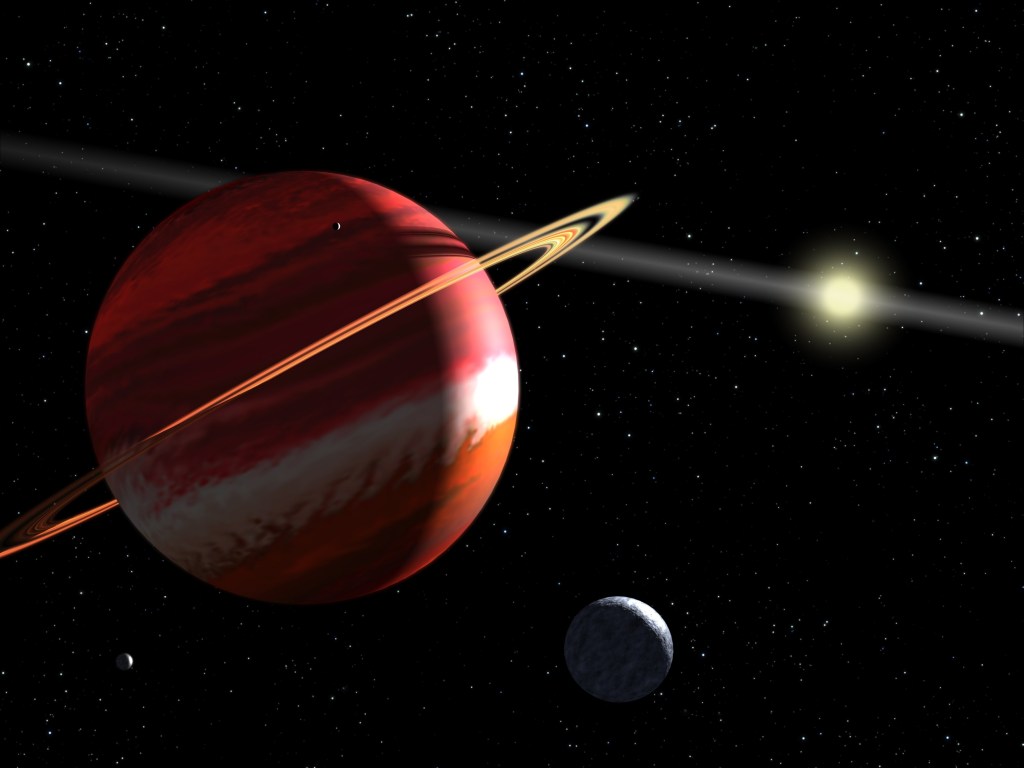
The Solar System is home to many fascinating moons, including Titan, the largest moon of Saturn, and Europa, a moon of Jupiter that is believed to have a subsurface ocean.
Which Spacecraft are Headed to Interstellar Space
Interstellar space is the space between stars in the Milky Way galaxy. Only a few spacecraft have been able to travel beyond the confines of our Solar System and enter interstellar space. One of the most famous of these spacecraft is Voyager 1, which was launched in 1977 and is now over 14 billion miles from Earth.
Voyager 1 crossed the boundary of the heliosphere, the region of space dominated by the Sun’s magnetic field, in 2012. It is now traveling through the interstellar medium, where it is studying the conditions and properties of the space between stars.
Another spacecraft that is headed towards interstellar space is the New Horizons mission. It was launched in 2006 and flew by Pluto in 2015, providing the first close-up images of this dwarf planet. New Horizons is now on its way to study a Kuiper Belt object named Ultima Thule, which it will fly by in 2019.
Galaxy and Milky Way
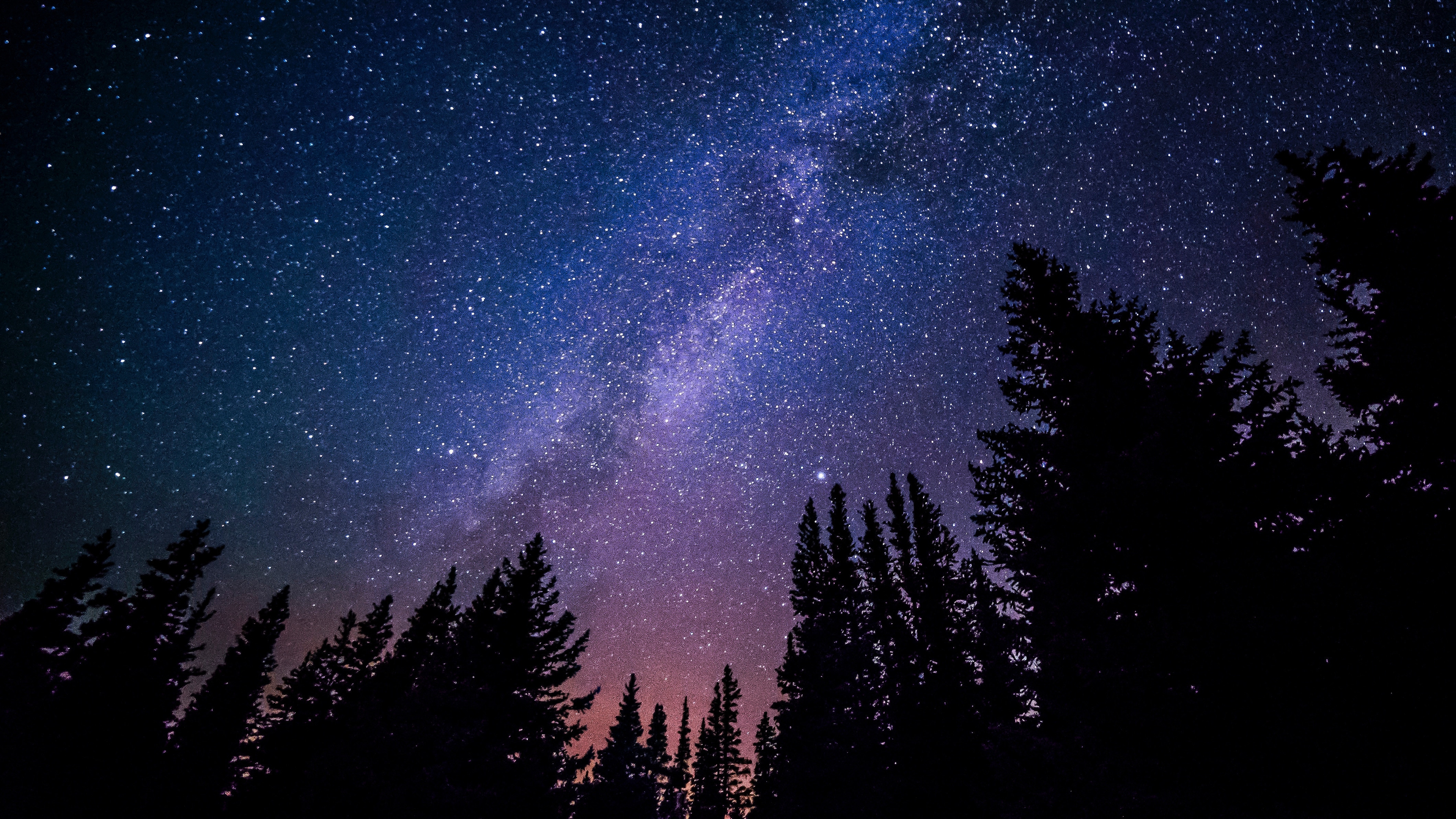
The Milky Way is a barred spiral galaxy that contains over 100 billion stars. It is estimated to be about 13.6 billion years old, making it one of the oldest galaxies in the universe. The Milky Way has a diameter of about 100,000 light-years and is home to many fascinating objects, such as black holes, pulsars, and nebulae.
The Milky Way is just one of many galaxies in the universe. There are billions of other galaxies, each with its own unique properties and characteristics. Some of the most famous galaxies include the Andromeda Galaxy, which is the closest galaxy to the Milky Way, and the Whirlpool Galaxy, which is a beautiful spiral galaxy located about 23 million light-years away.
Conclusion
The Solar System is a fascinating place that is full of mysteries and wonders. From the massive Sun to the small icy bodies in the Kuiper Belt, there is so much to explore and discover. As we continue to explore our Solar System and beyond, we will undoubtedly uncover even more interesting facts and discoveries.
So, the next time you look up at the night sky, remember that you are gazing upon a vast and beautiful universe that is just waiting to be explored. Who knows what wonders we will discover next?