

There are many weird and strange rituals that exist in today’s world. Some of these rituals include the Mari Lwyd in Wales, La Tomatina in Spain, Cheese Rolling in England, Nenana Ice Classic in the USA, and Polterabend in Germany. Other strange traditions around the world include the Japanese Kanamara Matsuri, where a giant phallus is paraded through the streets, and the Indian Thaipusam festival, where devotees pierce their bodies with hooks and skewers.
Mari Lwyd in Wales
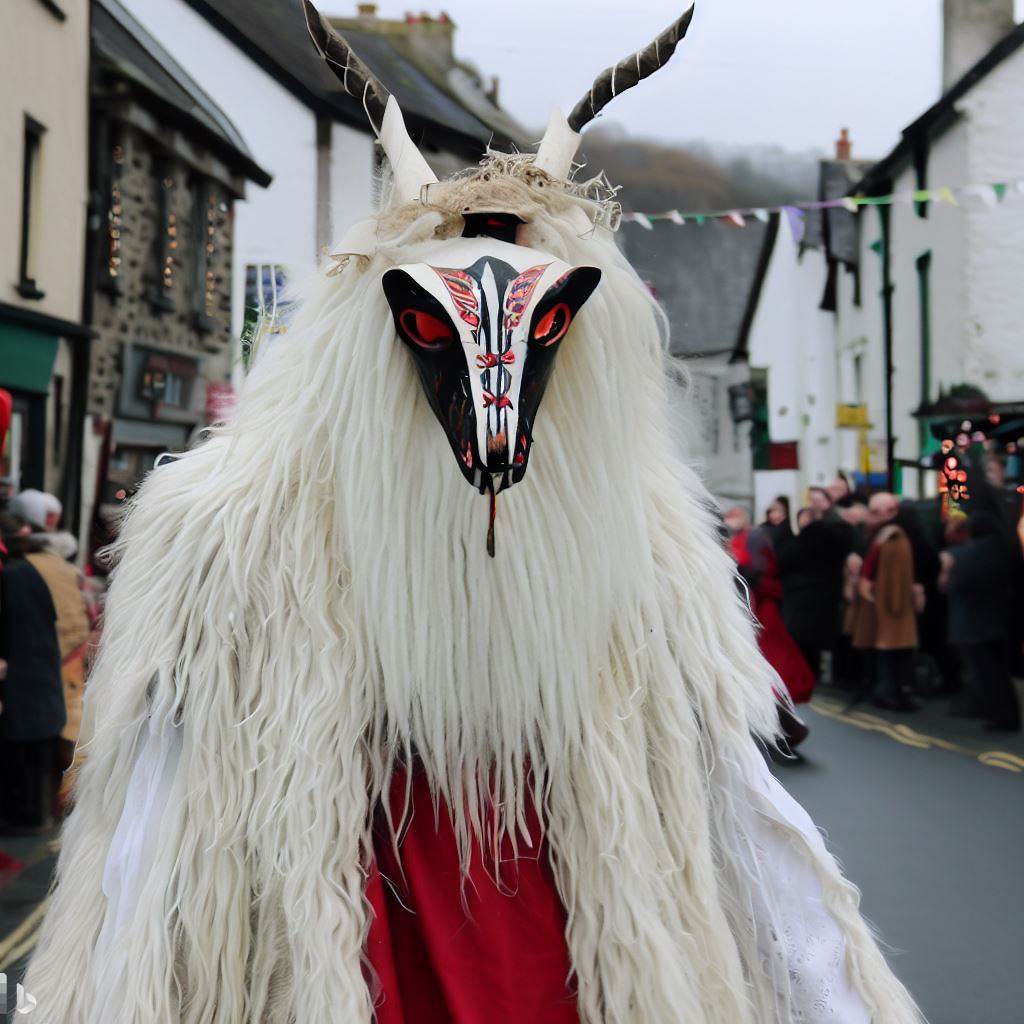
Mari Lwyd is a wassailing folk custom found in South Wales. It is a midwinter pagan tradition that involves a giant horse’s skull carried from house to house. The tradition entails the use of an eponymous hobby horse which is made from a horse’s skull and is dressed with festive lights and decorations. Mari Lwyd is taken around a village traditionally, often between Christmas Day and Twelfth Night. Celebrants earn food and drink only after dominating a poetry slam fronted by a skeletal face. The Mari Lwyd tradition is believed to be a survival of a pre-Christian tradition that had once been spread across Britain and other parts of Europe. The tradition had become defunct in the early 20th century but was revived in the middle of that century.
La Tomatina in Spain

La Tomatina is a festival held in the Valencian town of Buñol, in the east of Spain, 30 kilometers from the Mediterranean, in which participants throw tomatoes and get involved in a tomato fight purely for entertainment purposes. The festival is held annually on the last Wednesday in August. La Tomatina was banned in the early 1950s by Francisco Franco due to the festival’s lack of religious importance, however, this did not stop the participants, who were arrested. The people protested the prohibition and the festival was again allowed with more participants. The festival draws more than 20,000 revelers each year. La Tomatina is a unique festival held in Bunol, a small Spanish town close to the city of Valencia.
The Running of the Bulls in Spain
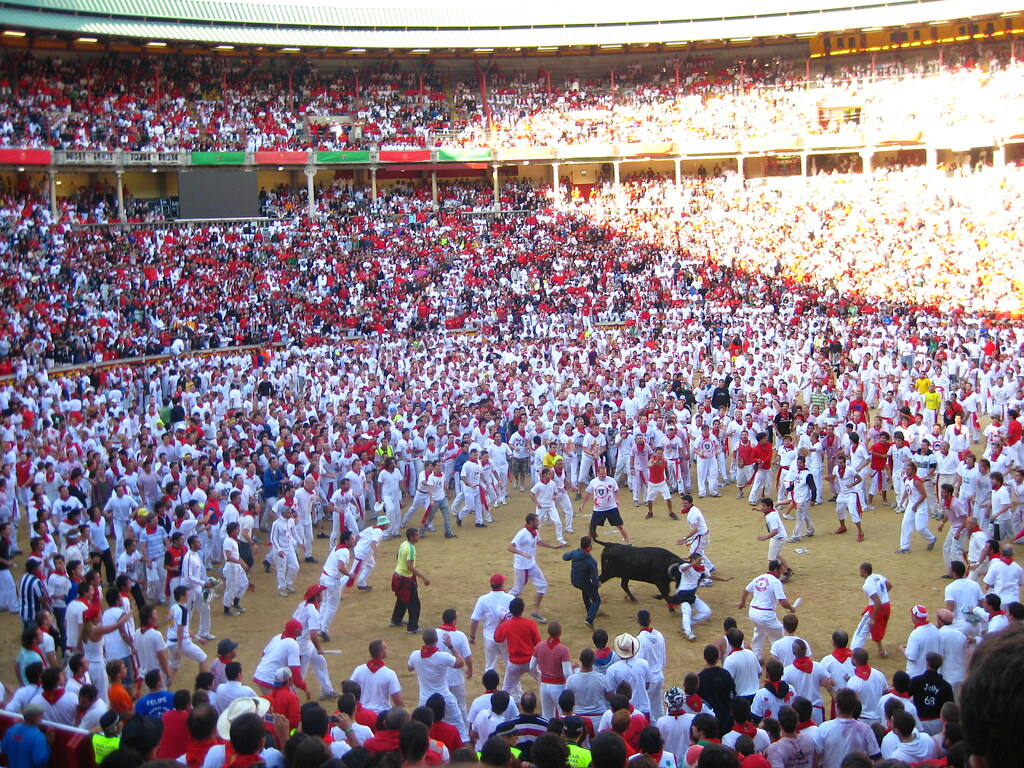
The Running of the Bulls is an annual event that occurs every July 7th-14th in Pamplona, Spain. The festival is part of the San Fermín Festival, which runs for nine days from July 6 through 14. The festival is held in honor of San Fermín, who was a martyr who died for his beliefs. The festival attracts over a million revelers who come to the town for music, fireworks, and merrymaking. The Running of the Bulls is a race with six Spanish fighting bulls and six steer that run from the Corrales de Santo Domingo to Pamplona’s Plaza de Toros (bullfight arena). The festival is a significant cultural event in Spain, but it has also been criticized by animal rights activists. The festival means party time in Pamplona, and it’s fun to follow along in the actual foot-and hoof-steps of the participants.
Cheese Rolling in England
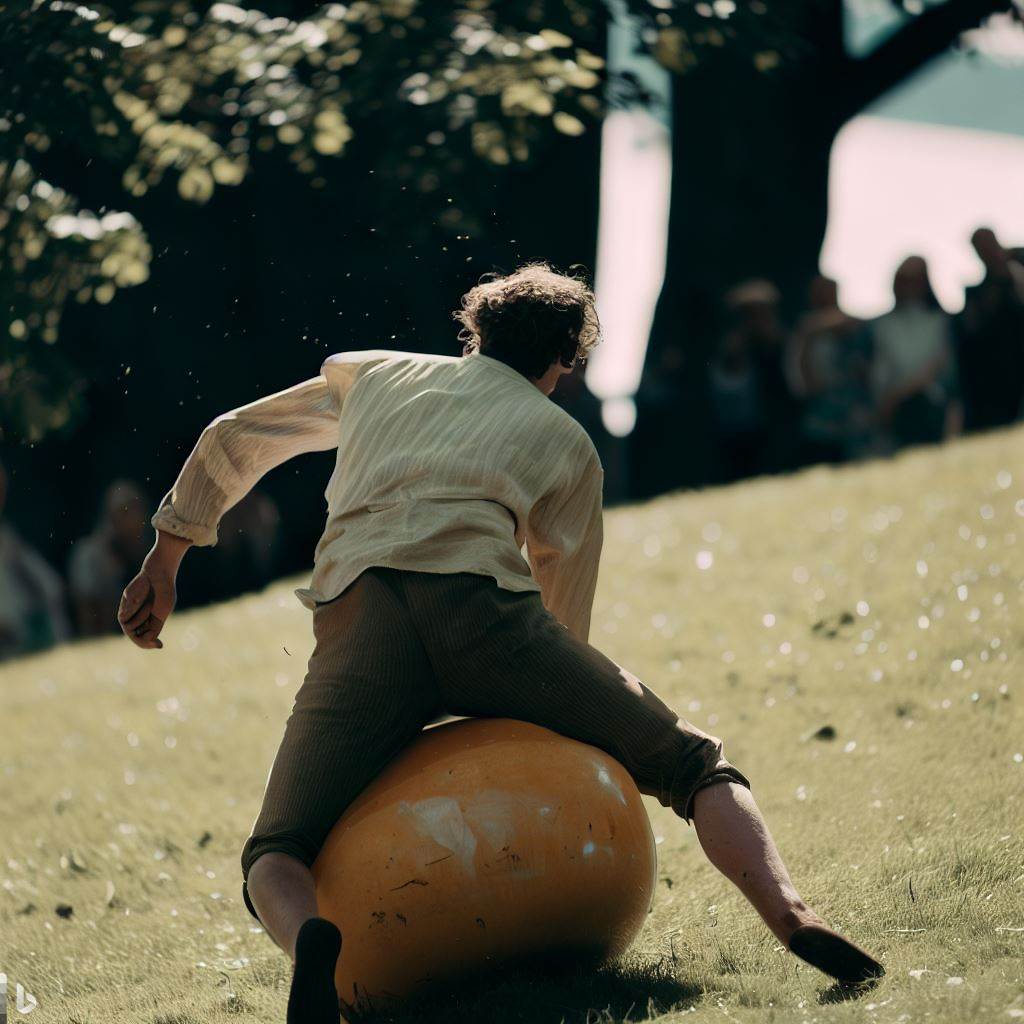
Cheese Rolling is a traditional event that takes place in Gloucestershire, England. It is a sport where a nine-pound round of Double Gloucester cheese is rolled from the very top of the hill, and competitors chase after it down to the bottom. The first person across the finish line is crowned the winner, with the cheese as their prize. The event takes place on Whit Monday, at the end of May, and is known for being notoriously dangerous, with many injuries reported. The Cooper’s Hill Cheese-Rolling and Wake is a British tradition dating back to at least 1826, if not earlier. The world-famous Gloucestershire Cheese Rolling is back for another year in May 2023, with spectators flocking from far and wide to see the event.
Nenana Ice Classic in the USA

The Nenana Ice Classic is an annual guessing game held in Nenana, Alaska. In 1917, a group of engineers surveying for the Alaska Railroad bet $800 putting in their guesses when the river would break up. This fun little guessing game has turned into an incredible tradition that has now continued for over 106 years. Each year, a 26-foot-tall tripod is embedded into the ice on the Tanana River on the first Saturday in March. Participants buy a $3.00 ticket to be involved in this long-running Alaskan tradition. The game involves placing bets on when the ice will break up, and the person who guesses the exact time when the ice breaks wins the jackpot. The Nenana Ice Classic is Alaska’s greatest guessing game and has become a popular event in Alaska.
Polterabend in Germany
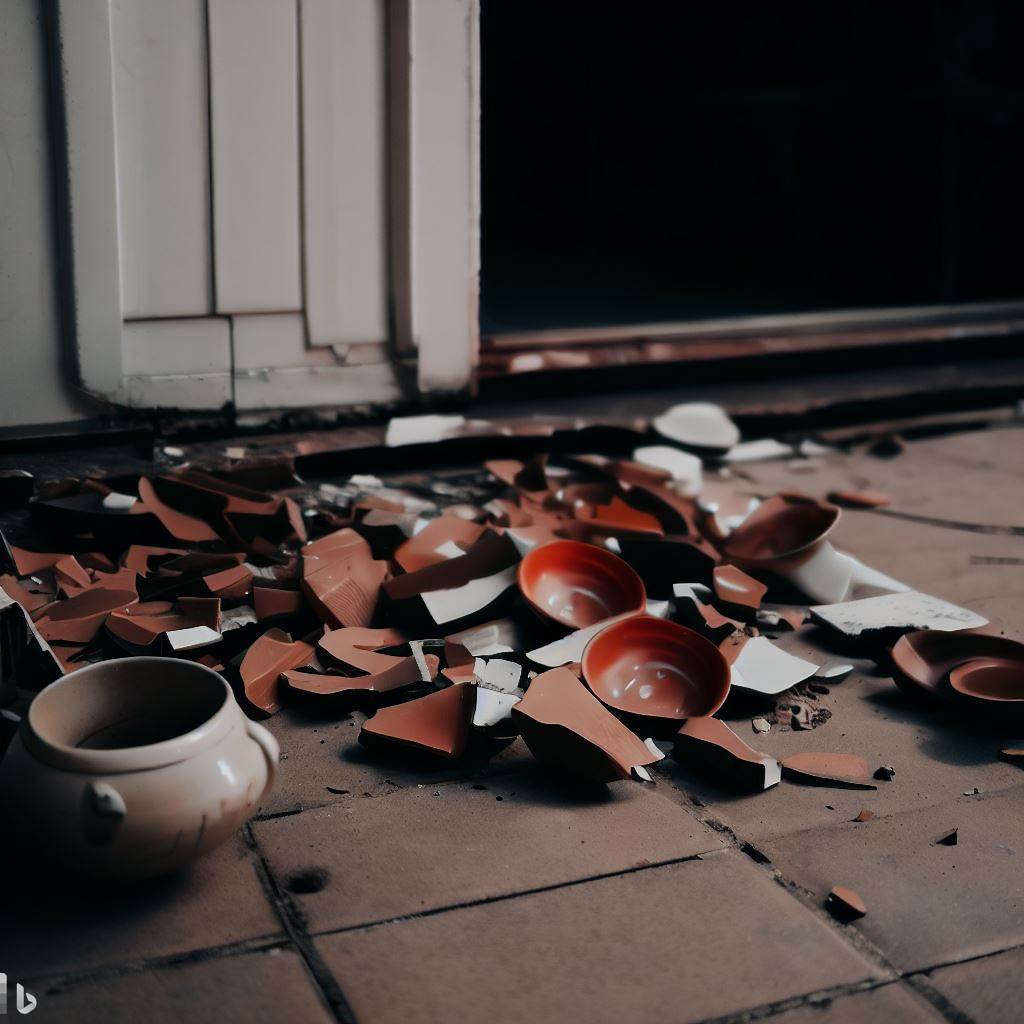
Polterabend is a German wedding custom that is followed by breaking porcelain to bring good luck to the couple. It is the evening before a wedding when crockery is smashed outside the door of the bride’s parents or of the bride and groom. The broken pieces are believed to bring good luck to the couple. The customs associated with Polterabend probably stem from pre-Christian times. The day before the wedding, stoneware and porcelain are never used, and instead, earthenware is used to avoid any breakage. Friends and family gather at the front of the bride’s parents or the bride and groom’s house to smash porcelain and stoneware.
Kanamara Matsuri in Japan
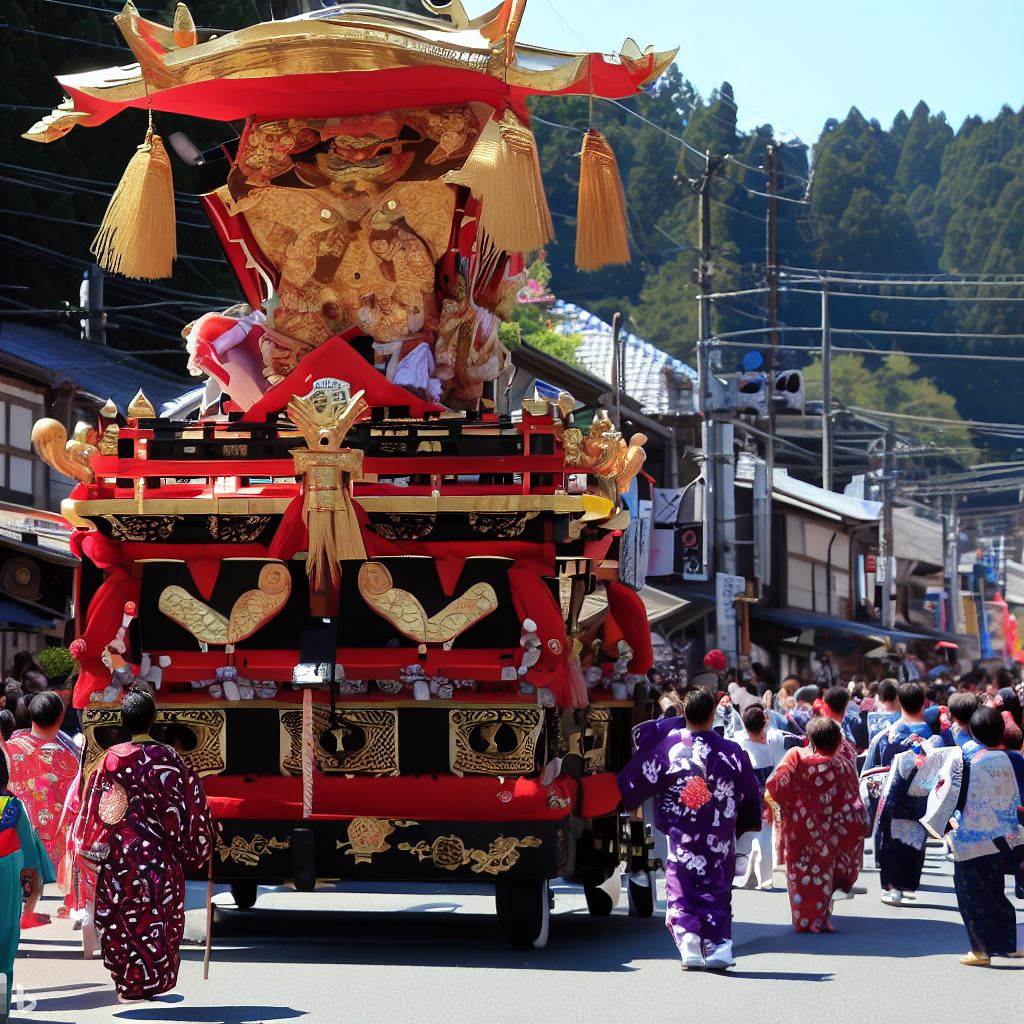
Kanamara Matsuri, also known as the Festival of the Steel Phallus, is an annual Japanese festival held each spring at the Kanayama Shrine in Kawasaki, Japan. The festival is centered on the Kanayama Shrine where the god Kanayama-hiko and the goddess Kanayama-hime are venerated. They are both gods of blacksmithing, metalsmithing, and metal works, and are also prayed to for easy childbirth, marital harmony, and protection from sexually transmitted infections. The festival involves an energetic procession of three phallic portable shrines through the streets, and participants carry large phallus-shaped objects. The main festivities fall on the first Sunday in April, and the festival has become something of a tourist attraction and is used to raise money for a good cause.
Indian Thaipusam festival

Thaipusam is a Hindu festival that is celebrated on the full moon of the Tamil month of Thai (January/February), usually coinciding with Pushya star, known as Pusam in Tamil by the Tamil community in Sri Lanka, India, Singapore, and Mauritius. It is a sacred festival that celebrates the virtues of piety, penance, and devotion in honor of Lord Murugan. The festival commemorates the occasion when Parvati gave Murugan a Vel “spear” so he could vanquish the evil demon Soorapadman. Thaipusam is a colorful festival that often brings traffic to a standstill, and it is anchored by a large, colorful annual procession. Devotees seek blessings, fulfill vows, and offer thanks during the festival. Some devotees pierce their tongues with skewers and carry a wooden kavadi decorated with flowers and peacock feathers balanced on their shoulders. Other devotees carry spiked kavadis that require elaborate preparation. Thaipusam is a unique and fascinating festival that is celebrated worldwide, and it is a significant cultural event for the Tamil community. Thaipusam is also observed as Thaipooyam Mahotsavam in the Shree Subrahmanya Temple in Alappuzha, Kerala. The festival is celebrated outside India in countries such as Malaysia, the United States, Mauritius, South Africa, and Singapore. The Thaipusam Festival is celebrated at Sri Siva Subrahmanya Swami Temple, Nadi Town, in Fiji.
Conclusion
These rituals and traditions may seem bizarre to outsiders, but they hold deep cultural and religious significance for the communities that practice them. It is important to respect and understand these traditions, even if they seem strange or unusual to us.